Where to Eat Around the Opéra and the Grands Boulevards
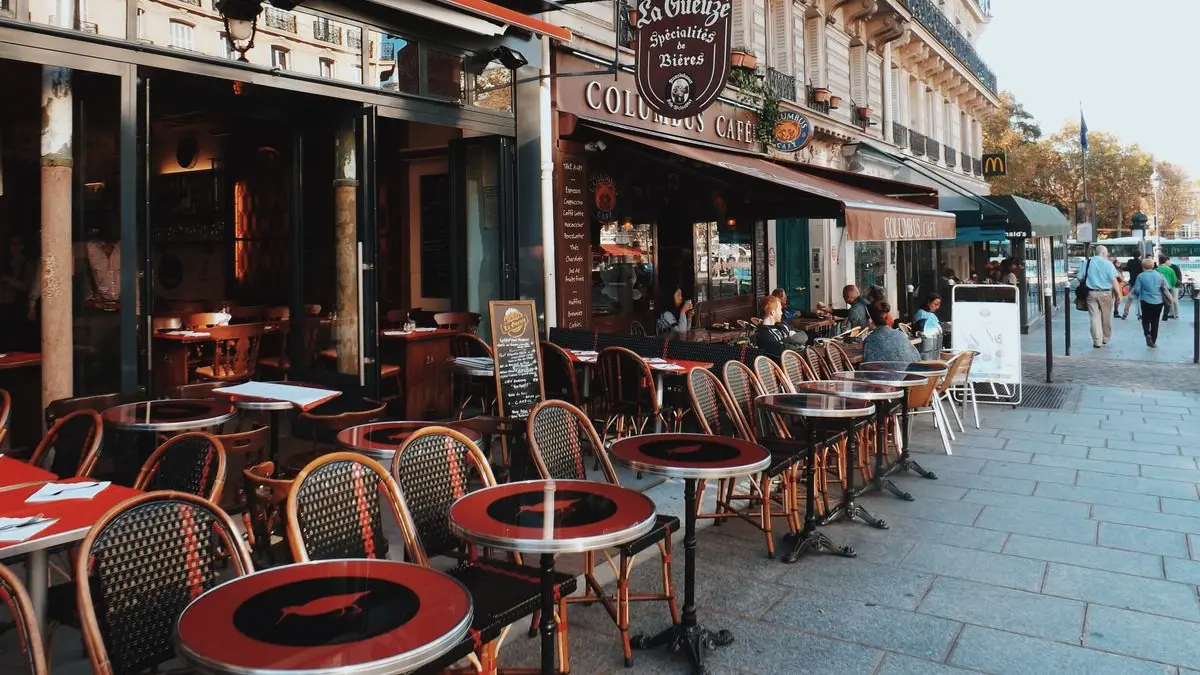
The Opéra district packs a rare density of places to eat, from the bistro counter to the grand brasserie. The trick is knowing where to look so you avoid the tourist traps. Here is an honest overview of the styles, the streets and the instincts to trust when you are staying in the area.
One district, many cuisines
Around the Palais Garnier, the dining scene covers almost every register. The Parisian brasserie, with its banquettes, aproned waiters and seafood platters, remains the emblematic experience of the area. The bistro, smaller and more homely, offers market cooking and hearty classics: blanquette, braised beef cheek, the tart of the day. These are often the best addresses for a simple, honest meal at a reasonable price.
The quarter also has more ambitious tables, where young chefs work short menus and seasonal cooking. You rarely find them on the busiest thoroughfares, but rather in the quieter side streets. For a memorable dinner, it pays to book ahead and accept a higher budget in exchange for careful cooking and attentive service.
Finally, the area is famous for its world cuisines. The streets around Rue Sainte-Anne, a stone's throw from the Opéra, form the historic heart of Japanese and Korean dining in Paris: people queue outside the ramen counters and noodle canteens. A little further north, towards the Faubourg Montmartre, you will find Italian, Lebanese and North African tables side by side.
The streets worth exploring
Rather than trusting the most exposed terraces, learn the district's culinary geography. Rue Sainte-Anne and its neighbouring lanes hold the city's densest cluster of Japanese restaurants, often at gentle prices at lunch. It is the address to remember for a quick, tasty midday meal between visits.
For bistros and small neighbourhood tables, head for the streets behind the Grands Boulevards, around the Faubourg Montmartre, the Rue des Martyrs or the area near the Bourse. You move away from the tourist flow and gain in authenticity. The historic brasseries, for their part, line the boulevards themselves and the approaches to the Place de l'Opéra.
A good habit is to walk five minutes further. The streets immediately around the department stores and the Place de l'Opéra hold the most tourist-oriented establishments; move a street or two away and you will often find better cooking and fairer prices, patronised by the Parisians who work in the area.
How to spot a good place
A few signs rarely lie. A short menu that changes regularly points to fresh cooking made on site, whereas a giant menu translated into eight languages and illustrated with photos on the pavement should raise your guard. Likewise, a handwritten blackboard with the day's special is usually a good sign.
Watch the clientele. A room full of locals at weekday lunchtime is worth every recommendation. Beware, by contrast, of touts who hail you on the pavement to lure you inside: good tables have no need for that. A thoughtful wine list and staff who know their dishes are further reassuring clues.
Lastly, take the time to read where the produce comes from when it is stated, and to note any mention of home cooking. When in doubt, a kitchen visible from the dining room, portions that are generous but not oversized, and a clear bill without surprise supplements are the marks of a serious establishment.
When to book, when to walk in
For a weekday lunch in a bistro or a Japanese canteen, booking is generally unnecessary: simply arrive early, around noon, before the nearby offices fill the room. For the most popular counters, however, expect a little wait, which is usually worth it.
For dinner in a grand brasserie or a fine-dining table, on the other hand, booking is strongly advised, especially on Friday and Saturday evenings, and even more so on nights when the Opéra or the Grands Boulevards theatres have a show. The rooms then fill with diners eating before or after the performance.
If you are staying in the area, take advantage to dine early or late: between 7 and 7.30 pm, or after 9.30 pm, the dining rooms are quieter and the welcome more relaxed. Consider asking your accommodation's front desk for advice, too, as they often know the discreet good tables of the neighbouring streets.
Avoiding traps near the department stores
The immediate surroundings of the department stores on Boulevard Haussmann and the Place de l'Opéra draw heavy tourist traffic, and therefore a share of establishments calibrated for passing custom: standardised menus, reheated dishes, steep bills for average quality. It is not inevitable, but caution is called for.
Steer clear of menus that flaunt tempting photos in the window and of set deals that seem too good to be true. Check that drink prices and any cover charge are clearly stated, and read the whole menu before you sit down. A coffee or a simple drink on a busy boulevard terrace will always cost more than a few streets away.
The best defence is still walking. The rooftop terraces of the department stores offer a superb view and a pleasant break, but for a proper meal, move away from the busiest shopping arteries towards the residential streets of the 9th arrondissement, where prices and quality find a fairer balance.
Tips for travellers staying nearby
Staying in the Opéra district is a culinary asset: you can drop off your shopping and head back out to dinner on foot without relying on the métro. Use that freedom to vary the styles over your stay: a Japanese lunch on Rue Sainte-Anne, a brasserie dinner on the boulevards, a bistro lunch on a quiet street.
Adjust to the Parisian rhythm. Lunch is generally served between noon and 2 pm, dinner from 7.30 or 8 pm; outside these windows, many kitchens close. Brasseries, more flexible, often serve continuously, which makes them a valuable fallback for a late meal after a show.
Finally, stay open and curious. The district rewards those who explore one more street, push a discreet door or ask locals for advice. It is often in these unpretentious addresses, far from the flashiest windows, that the best dining memories of a Paris stay are hidden.