Wine bars and wine shops near the Opera: wine by the glass, the Parisian way
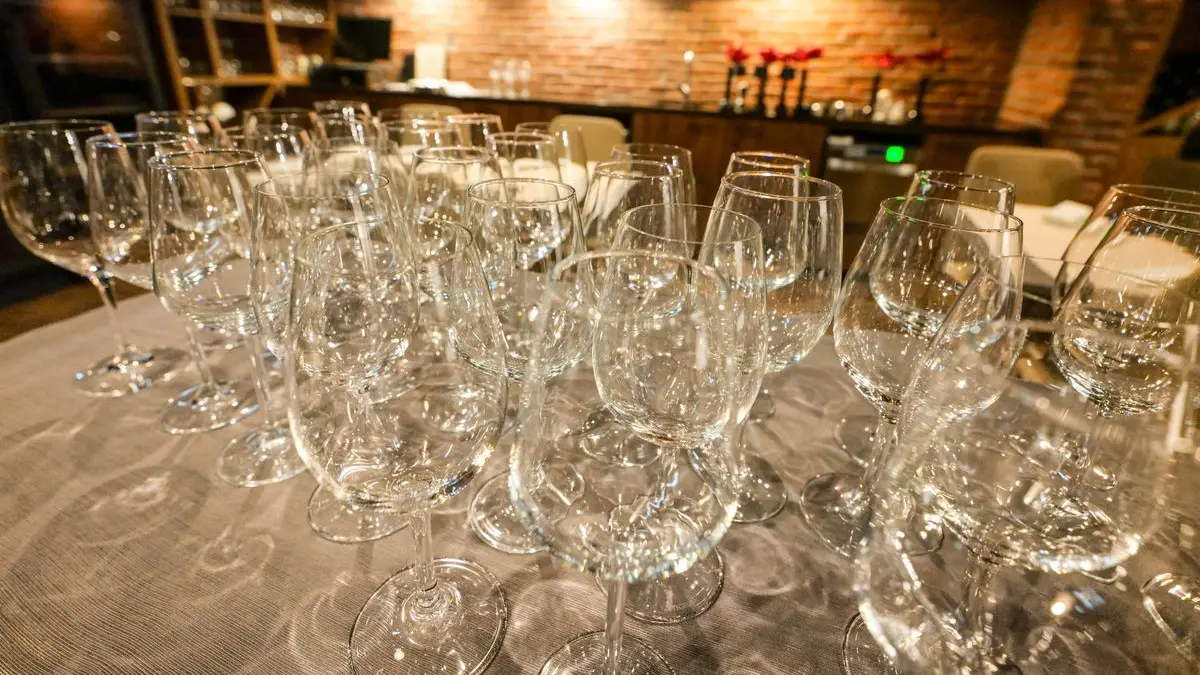
In Paris, wine is lived standing at the counter and sitting at a table, by the glass and by the bottle. Around the Opera, wine bars and wine shops form a quiet network where you learn to taste without breaking the bank. Here is a short guide to finding your way with pleasure.
Wine bar and wine shop: two complementary trades
The two are often confused, yet the difference is clear. The caviste, or wine merchant, is a shopkeeper: they select, advise and sell bottles to take away, sometimes with the chance to taste. The wine bar is a place where you drink on the spot, by the glass or the bottle, often alongside a few boards to share. In the Opera district, the two sit side by side and complement each other.
The line is blurrier today than it once was, because many addresses combine both functions. A wine merchant may offer a handful of tables to taste on site what you have just bought, while a wine bar will happily sell to take away the bottles it serves. This blending is a boon for the curious visitor, who can taste before deciding.
What the two trades share is advice. Behind the counter there is almost always someone who loves wine and is glad to point the way. Rather than asking for a precise label, describe your tastes: a light wine, a preference for supple reds or bright whites, a reasonable budget. You will be guided with kindness.
Wine by the glass, a Parisian culture
The glass of wine is to the wine bar what the espresso is to the cafe: a simple, convivial way to sit down without ceremony. This culture of the glass lets you taste several wines over an evening, compare regions or grape varieties, and explore without committing to a whole bottle. It is an ideal gateway for anyone who wants to learn while having fun.
Many places offer a selection of wines by the glass that changes regularly, often chalked up on a slate. This rotation reflects the mood of the moment and what has just arrived, an invitation to trust the house rather than seek out a safe bet. Asking what the owner is enjoying right now is often the best advice of all.
Tasting by the glass also means accepting a share of discovery. A wine you do not know, poured by someone who chose it, sometimes holds lovely surprises. That curiosity is the whole spice of the experience: you come not only to drink but to widen your palate, one glass at a time, in a relaxed setting.
Reading a wine list without getting lost
A French wine list is most often organised by region: Burgundy, Bordeaux, the Rhone Valley, the Loire, Alsace, Beaujolais, Languedoc and many more. Each region has its personality, tied to its climate and grape varieties: Rhone Valley reds are often warm, Loire whites bright and floral, Burgundy reds fine and elegant. Knowing these broad families already helps a great deal.
So-called natural wine takes up a growing place on Parisian lists. It refers to wines made with as little intervention as possible, without or with very few additives. These cuvees can surprise with their livelier, less conventional aromas; some please immediately, others ask for a little openness. If the mention intrigues you, ask to taste before choosing.
Do not be intimidated by the vocabulary. Technical terms are only there to describe sensations: a tannic wine grips the tongue a little, a round wine is supple and enveloping, a mineral wine evokes the coolness of stone. What matters is talking about what you like; the rest comes naturally, glass after glass.
Pairing with charcuterie and cheese
The natural companion to wine by the glass is the board: charcuterie, cheese, sometimes a few gherkins and good bread. This simple, generous pairing is a Parisian classic, perfect for seeing an evening through without launching into a full meal. Charcuterie often calls for supple, fruity reds, while some cheeses also get along very well with whites.
The general idea of a good pairing is balance: neither wine nor food should overwhelm the other. A powerful, aged cheese will want a wine of character, while delicate charcuterie is happy with a light red. Contrary to received wisdom, whites often accompany cheese with more finesse than reds, a discovery that surprises pleasantly.
The best advice remains to ask. Whoever serves you knows their list and their boards, and can suggest a match that works. You can also play the regional card: a wine and a cheese from the same terroir almost always agree, a simple and reliable rule that rarely disappoints.
Taking a bottle home and the Parisian apero
At the wine shop, taking a bottle home is a pleasure in itself. Take the time to explain the occasion: a gift, a dinner, a simple evening whim. The advice will be all the sharper for it. A bottle chosen with a professional's help becomes a far livelier travel memory than something bought in a hurry, and slips easily into a bag.
The apero, short for aperitif, is a key moment of Parisian sociability. In the late afternoon or early evening, people gather around a glass, often with a few nibbles, to stretch the day out and put the world to rights. It is not a meal but a gentle transition, an art of the shared pause that the Opera district practises with gusto.
To live the apero like a local, choose an unfussy spot, settle in and let things come. A glass, a board, a conversation: the recipe is simple and endlessly variable. It is perhaps here, more than anywhere else, that you touch the true Parisian art of living, made of quiet conviviality and pleasure without show.