Where to Stay in Paris: A Guide to the Arrondissements
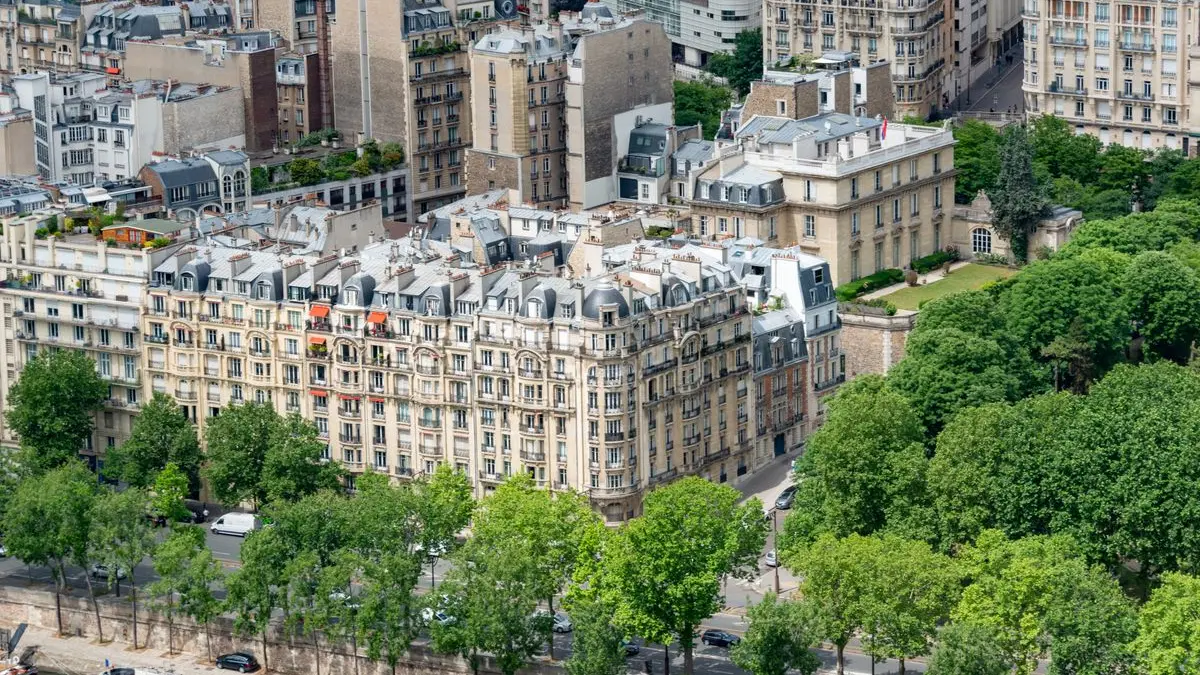
Paris feels like a different city depending on where you unpack your bags. From the Louvre to the Marais, Saint-Germain to the Champs-Élysées, Opéra to Montmartre, each arrondissement offers its own mood, price bracket and transport links. Here is an independent guide’s comparison to help you pick the base that truly suits your trip.
Reading the map: the snail-shell layout
Paris is divided into twenty arrondissements arranged in a spiral, like a snail shell that begins at the 1st in the centre and coils outward. The lower the number, the closer you are to the historic heart around the Louvre, the Île de la Cité and the grand boulevards. That logic is worth knowing for a first visit: staying in the central arrondissements, from the 1st to the 9th, puts most of the great sights within walking distance or a few métro stops away.
The Seine splits the city in two and serves as a universal reference point. The Right Bank, north of the river, gathers the department stores, the theatres, the Opéra Garnier and the business quarters. The Left Bank, to the south, keeps a more literary, bohemian air around Saint-Germain-des-Prés and the Latin Quarter. Choosing your bank already sets the tone of your stay.
One simple rule guides the undecided: favour proximity to a well-connected métro station over the prestige of a neighbourhood name. In Paris, a ten-minute walk to the right line often matters more than the postcard address.
The historic centre: 1st, 2nd and 4th
The 1st arrondissement holds the Louvre, the Tuileries garden and the Place Vendôme. This is postcard Paris, ideal if you want to do everything on foot, but also one of the most sought-after and therefore priciest areas. The quieter 2nd hides the covered passages and a lively evening buzz around the Rue Montorgueil.
The 4th is home to the Marais, a maze of medieval lanes that has become one of the liveliest parts of the capital, with mansions, designer boutiques, galleries and pavement terraces. People stay here for the atmosphere, the charm of the old façades and the closeness of Notre-Dame and the Pompidou Centre. In return, the narrow streets can be noisy at weekends, and rooms, often set in old buildings, tend to be more compact.
These arrondissements suit travellers who want to live in the middle of the scene and accept a higher budget for that centrality. They are perfect for a short, intense first visit where every minute counts.
Left Bank and Champs-Élysées: 6th, 7th and 8th
The 6th arrondissement, around Saint-Germain-des-Prés, embodies intellectual, elegant Paris: literary cafés, the Luxembourg Gardens, bookshops and art galleries. The mood is refined and calmer than on the Right Bank, and prices sit at the upper end of the market. The neighbouring 7th lines up the Eiffel Tower, the Musée d’Orsay and Les Invalides in a genteel, residential setting.
The 8th unfurls the Champs-Élysées, the Arc de Triomphe and the luxury avenues. This is the district of flagship stores and grand hotels, prized for its prestige and connections but less so for its neighbourhood life, which turns impersonal once the shopfronts close. People stay here for high-end shopping and easy access to the main arteries.
These areas appeal to couples seeking elegance, museum lovers and travellers who value atmosphere over nightlife. They call for a comfortable budget and a taste for a more composed Paris.
Montmartre and the lively east: 18th, 11th and beyond
The 18th, crowned by the Sacré-Cœur basilica, offers the village charm of Montmartre: steep lanes, the Place du Tertre, vines and sweeping views over the city. Rates here are often gentler than in the centre, at the cost of a relative distance from the major sights and a few streets worth choosing carefully block by block.
The 11th and 12th, further east, capture the living, fashionable Paris of Parisians themselves, with their bistros, bars and the Aligre market. Well served by the métro, they let you stay at a reasonable price while remaining within reach of the centre. This is the choice of curious travellers who prefer the authenticity of a lived-in quarter to tourist density.
These arrondissements suit longer stays, moderate budgets and those returning to Paris who want to explore a less crowded face of the city. The trade-off is the travel time to the landmark monuments.
The 9th, the Opéra district: the balanced base
Between the historic centre and the lively east, the 9th arrondissement holds a strategic position around the Opéra Garnier, Charles Garnier’s masterpiece topped by its ceiling painted by Marc Chagall. This is a district of theatres, bustling grand boulevards and nineteenth-century covered passages, both central and lively, without the price surge of the very first arrondissements.
Its strength lies in the transport links. The Opéra station brings together métro lines 3, 7 and 8, while lines 8 and 9 run along Boulevard Haussmann. A few minutes away on foot, Saint-Lazare and Gare du Nord open the doors to the city, the provinces and the airports, a decisive asset for anyone arriving by train or lining up day trips. Few districts combine such centrality with such ease of movement.
The 9th is also a shopping heartland, with the Galeries Lafayette on Boulevard Haussmann crowned by their stained-glass dome unveiled in 1912, the neighbouring department stores and a wealth of boutiques. The Musée Grévin, the theatres and, a little higher up, the slopes of Montmartre round out the picture. For a first visit as much as a return, the Opéra offers the best compromise between location, atmosphere, transport and choice: an ideal base from which to explore the whole of Paris.