Bakeries of the Opéra District: Bread as a Parisian Way of Life
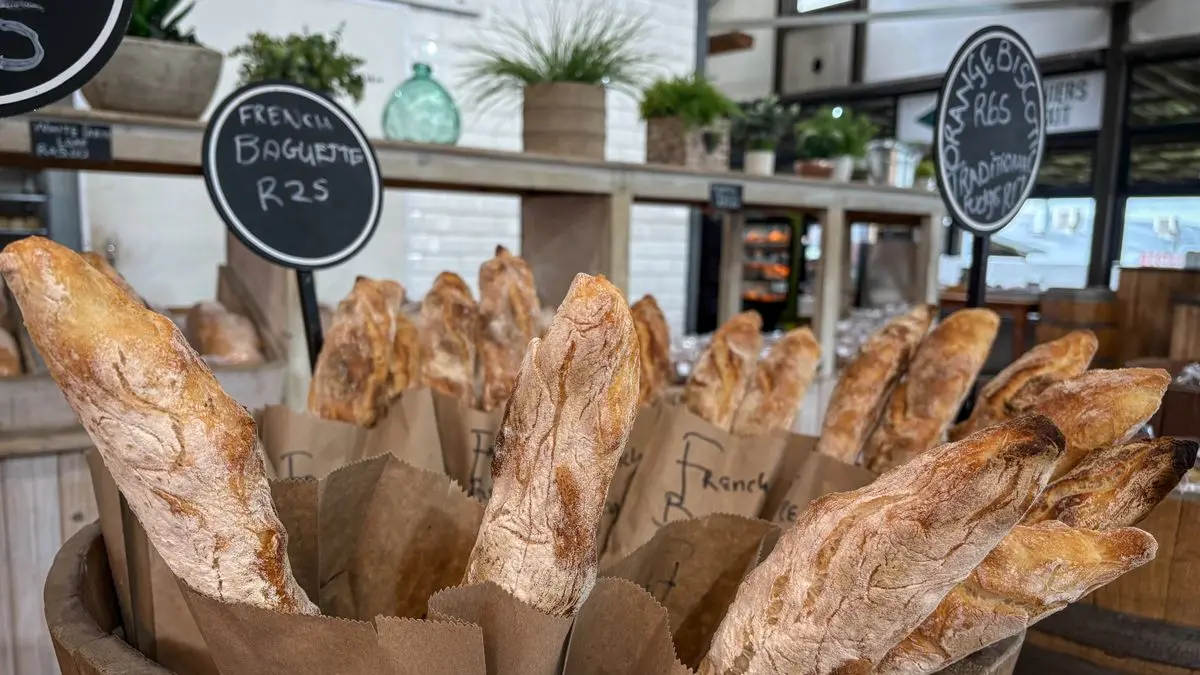
Nothing says Paris quite like the smell of warm bread at dawn. Around the Opéra, the Grands Boulevards and Saint-Lazare, neighbourhood bakeries keep an age-old craft alive. Here is how to recognise them, and why they are the traveller’s tastiest, thriftiest ally.
Bread, a Parisian devotion
In Paris, the bakery is no ordinary shop: it is a daily appointment, almost a ritual. People step in several times a day, trade a few words, and leave with a loaf under the arm. Travellers feel this familiarity on their very first visit: here bread is still sold by the piece, chosen with care, and often eaten on the move, the crust cracking under the teeth.
The word boulangerie itself is legally protected in France. To display it, a shop must knead, shape and bake its bread on the premises, from raw flour. This legal requirement sets the true artisan apart from the mere outlet reheating frozen loaves shipped in from elsewhere. It is the first key to choosing well, and it explains why two neighbouring windows can offer such different products.
The Opéra district, dense with offices, department stores and stations, concentrates a fine variety of bakeries. Between the busy Grands Boulevards, the quieter streets of the 9th arrondissement and the surroundings of Saint-Lazare, you will find both the traditional shop and the creative house reinventing the art of the pastry.
Spotting a good tradition baguette
The queen of the counter remains the baguette. Beware of shortcuts: ask for a baguette de tradition rather than an ordinary one. The tradition, governed by a French decree, forbids freezing and bans additives and improvers. Its crumb is irregular, open and creamy, its golden crust sings when you press it. This is the bread Parisians queue up to buy.
Look at the shape and colour: a good tradition baguette is never perfectly smooth or uniform. It carries the marks of the hand, scoring lines opened by the blade, a crust darker in places, the sign of a real bake. When sliced, the crumb should smell of wheat, feel tender without being rubbery, and keep for a few hours without turning cardboard-dry.
The best test is the taste. An artisan baguette has a slight tang, a lingering finish, a nutty aroma from the crust. If you can make only one purchase, buy one in late morning, break off the quignon, the crunchy end that Parisians nibble on the way home: it is the first Parisian pleasure, and it costs a few cents.
The croissant and butter pastries
In the pastry range, the golden rule fits in one word: butter. A true croissant au beurre is known by its amber colour, its usually straight shape (by tradition the all-butter version is straight and the margarine one curved, though usage varies), and its flaky layers that shed crumbs across the table. It should be neither greasy nor doughy, but airy and crisp.
The pain au chocolat, called chocolatine in south-west France, follows the same demands: crisp, distinct layering, two well-placed bars of chocolate, and a bake that keeps the centre soft. Alongside it you will often find the spiral pain aux raisins, the apple turnover and the brioche, small delights that turn a simple coffee into a real breakfast.
Do not hesitate to taste the local production rather than chase a famous name. A good neighbourhood bakery, around the Grands Boulevards or towards Saint-Lazare, serves pastries baked fresh that morning in several batches. Ask for the one just out of the oven: warm, it releases its full buttery scent, a pleasure the cold window never quite delivers.
The early-morning ritual
The baker works while the city sleeps. From the first hours, the dough rises, the oven heats, and batch follows batch so the bread is warm at opening. That is why the best time for a traveller is early: between opening and mid-morning, the pastries are at their peak and the bread has just come out.
The Parisian breakfast is simple: a pastry or a slice of baguette with a little butter and jam, and a coffee. Many bakeries offer a takeaway deal, coffee and a pastry, at a far gentler price than a tearoom or a hotel. It is the most authentic, and the most economical, way to start a day of sightseeing.
Watch the ballet of regulars: the office worker stopping before work, the parent walking a child to school, the retiree who takes time to chat. By slipping into that queue, you are not only buying bread: you are stepping into the daily life of a district, something few monuments allow.
Where to look around the Grands Boulevards and Saint-Lazare
Rather than naming addresses that change with the seasons, learn to read a neighbourhood. The residential streets of the 9th arrondissement, set back from the main shopping arteries, often shelter the most endearing local bakeries, where a loyal clientele is served and quality rests on trust rather than passing tourist trade.
Around Saint-Lazare, one of Europe’s busiest stations, bakeries adapt to the flow of hurried travellers: takeaway formats, sandwiches on tradition baguette, pastries baked throughout the day. It is an excellent place to stock up before catching a train or heading out on a day trip, provided you favour the shops that clearly state they bake on site.
One reliable clue: look for shops where you can see the bakehouse, where the smell of baking spills into the street, where the queue is local rather than touristic. The annual best-baguette competitions held in Paris regularly single out artisans in the 9th and neighbouring arrondissements: a plaque in the window can be a good marker, though it never replaces your own tasting.
The traveller’s ally: breakfast and picnic
For anyone travelling on a careful budget, the bakery is a windfall. A pastry and a coffee in the morning, a sandwich on tradition bread at midday, and you have eaten for the price of a museum ticket. Almost every Parisian bakery offers a lunch deal: sandwich, drink and sometimes a slice of tart, to take away and enjoy on a bench, in a garden or along the boulevards.
The baguette is also the backbone of the Parisian picnic. Buy a fresh loaf, a few slices of cheese and charcuterie from a nearby grocer, a piece of fruit, and you are equipped for an open-air lunch in a square of the 9th or facing the Opéra Garnier. It is a light, joyful way to pause between visits, just as Parisians do when the weather turns fine.
A last tip from the guide: taste several bakeries rather than just one. Every artisan has a signature, a bake, a personal touch. By comparing two baguettes, two croissants, two special sourdough or grain loaves, you turn a simple errand into a genuine tasting tour of the district, without spending more than a few euros.