Markets and Fresh Food around the Opéra
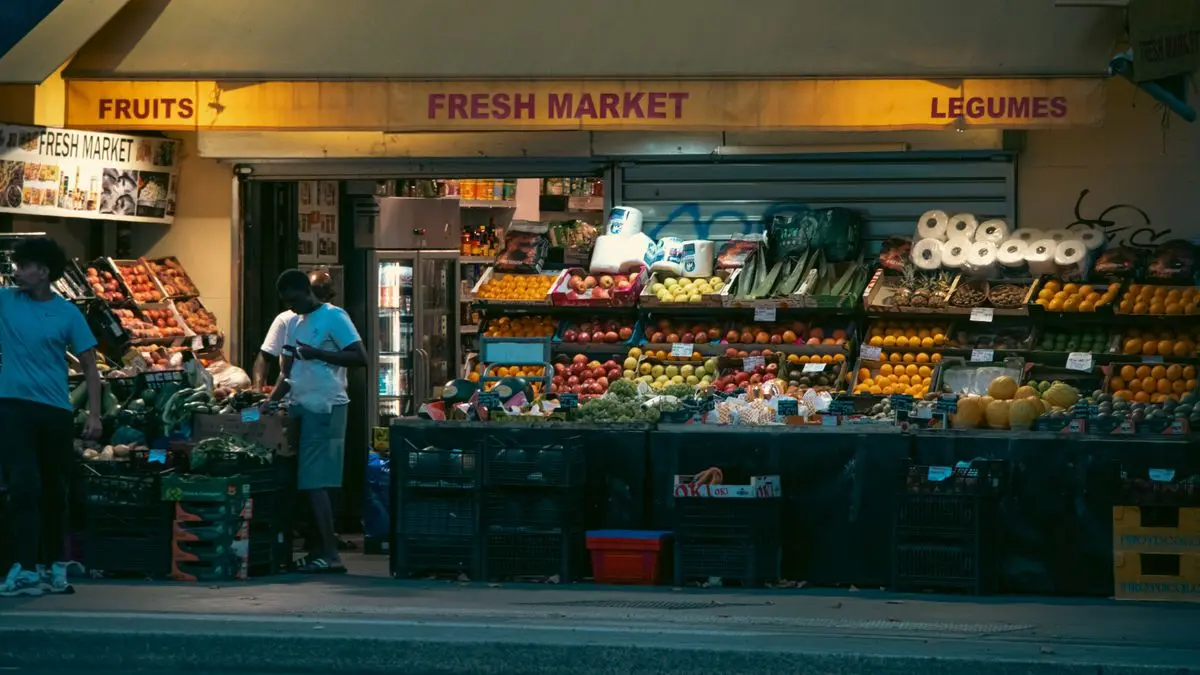
Behind the grand boulevards and the department-store windows, the Opéra district hides a gourmet neighbourhood life. Markets, shopping streets, fine grocers and delicatessens keep alive a very living Parisian tradition. Here is how to enjoy it, from the market basket to the platter to share.
The tradition of the Paris market
The market is part of the soul of Paris. Whether covered and permanent or set up a few mornings a week on a pavement or a central reservation, it gives rhythm to neighbourhood life and gathers greengrocers, cheesemongers, fishmongers, fruit sellers and flower merchants. People come as much to do their shopping as to feel the pulse of a place.
Around the Opéra and the Grands Boulevards, the tradition takes several forms. Covered markets shelter carefully kept stalls whatever the season, while the livelier open-air markets raise their colourful awnings on certain days of the week. To these add the shopping streets, true open-air markets where food shops follow one another.
To find a market, the best habit is to check the days and places it is held, since these vary from one neighbourhood to another. An open-air market is generally held in the morning and packs up in the early afternoon: it is best to go early, when the stalls are full and the finest produce still available.
Shopping streets and small food shops
Without even looking for a formal market, you will find fine shopping streets in the district where the food trades gather. Bakery, cheese shop, wine cellar, greengrocer, delicatessen or fine grocer follow one another over a few hundred metres, offering everything you need to put together a quality meal.
These independent shops are the beating heart of everyday gastronomy. The cheesemonger advises according to ripeness, the greengrocer highlights the fruit in season, the wine merchant points you to a fitting bottle. Taking the time to exchange a few words is already a way of entering the French culture of eating well.
For the traveller, these streets are a boon: you do your shopping as you stroll, without a set plan, guided by the windows and the smells. It is also an affordable and authentic way to taste local specialities, far from the tourist addresses.
Fine grocers and department-store food halls
The Opéra district is famous for its department stores, and these also house vast spaces devoted to food. On the Boulevard Haussmann, the fine-grocery aisles and the delicatessen counters gather, under a single roof, cheeses, cured meats, chocolates, teas, spices and exceptional products from all over France.
These gourmet halls are ideal for bringing home an edible souvenir or building a refined platter. You wander through them as in a luxury market, sometimes tasting before buying, and you find well-informed advice. It is also a good solution in bad weather, sheltered and under a single roof.
The district’s independent fine grocers round out the offer, with their sharp selections of preserves, jams, honeys and oils. For a gift to take home or a slightly chic picnic, these addresses are worth the detour, bearing in mind that refinement comes at a price.
Building a picnic or a platter
Putting together a meal to take away is one of the great Parisian pleasures. The base comes down to a few elements: a baguette or a country loaf, a few chosen cheeses, a little charcuterie, some fruit in season and, why not, a slice of tart or a pastry. To this add tomatoes, a piece of fruit, a bottle of water or cider.
For cheese, vary the pleasures: a soft cheese, a pressed cheese and a goat’s cheese are enough for a fine platter. Ask the cheesemonger for advice; they will point out the essentials of the moment. On the charcuterie side, a ham, a saucisson and a terrine make a classic and generous assortment.
Once the basket is put together, all that remains is to find a bench, a small square or the steps of a pleasant spot to enjoy it. The district has no shortage of corners in which to settle, between two visits, for a quick but flavourful lunch, in the Parisian way.
The season, queen of the market
At the market, the season lays down the law. The stalls follow nature’s calendar: asparagus and strawberries in spring, tomatoes and apricots in summer, mushrooms and grapes in autumn, citrus and root vegetables in winter. Buying in season means getting produce at the peak of its flavour, often at a better price.
This seasonal logic is at the heart of French cooking. A good seller highlights what has just arrived, what is perfectly ripe, what is worth it that morning. Trusting their advice, rather than a list drawn up in advance, is the best way to buy well and to discover products you do not know.
Watching the stalls is a pleasure in itself. The colours change through the year, the scents vary, and a simple turn around the market says a great deal about the region and the season. For the curious traveller, it is a sensory dive into Parisian daily life, free and joyful.
The codes of the market, a user’s guide
The market has its customs. You generally do not handle the fruit and vegetables yourself: you point out your choice to the seller, who selects and weighs them. A hello on arriving, a thank you on leaving, and you are already well regarded. Coins and small notes are appreciated, even if more and more stalls now accept cards.
Do not hesitate to ask for advice or to specify how you will use a product: a cheese to enjoy right away or in two days, fruit for today or for later. The seller will adjust their selection, for the hand-to-hand relationship is at the heart of the market experience.
Finally, take your time. The market is not just a place to buy; it is a moment of life where you look, sometimes taste, and chat. For a traveller, strolling through it without necessarily buying much is already a fine way to live the Opéra district like a local.