Historic Brasseries and Bouillons Around the Opéra
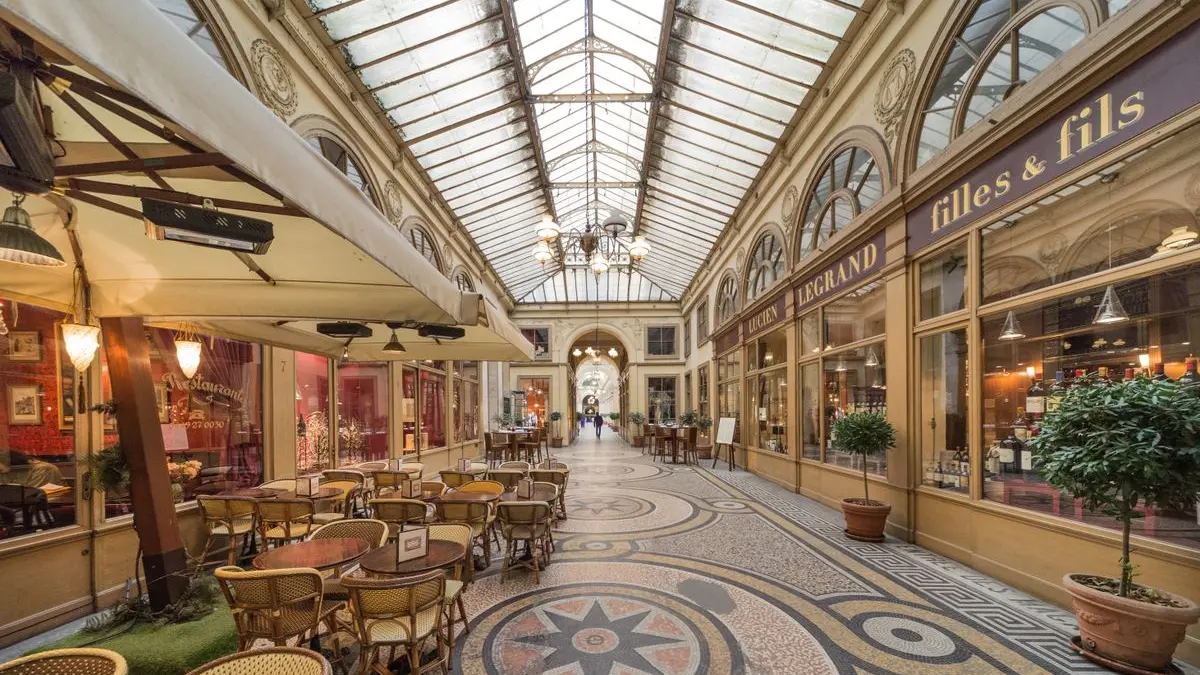
Seated beneath an Art Nouveau glass roof, elbow to elbow with Parisians, you quickly grasp why the brasserie remains an essential stop on any stay in the Opéra district. Between working-class bouillons and grand Belle Époque rooms, this living heritage is as good to look at as it is to eat.
The bouillon, ancestor of everyday dining
The story begins in the mid-nineteenth century. A Paris butcher, keen to sell off his meat broths, dreamed up establishments serving simple, filling, cheap food at any hour and to everyone. The Parisian bouillon was born: a vast room, quick service, hearty regional dishes at low prices. The idea caught on and multiplied across the capital.
These popular canteens democratised the restaurant meal, until then reserved for a well-off clientele. Workers, clerks and families could sit down to a pot-au-feu, an egg mayonnaise or a beef bourguignon for a few coins. The decor, often carefully done despite the modest prices, added to the pleasure: mirrors, banquettes and ceramics turned a simple lunch into a small celebration.
Many of these bouillons have vanished, but a few have survived the years. The Bouillon Chartier, an institution of the Grands Boulevards, has kept this tradition of everyday dining alive since the end of the nineteenth century: a long queue at the door, a lively room, the bill jotted by hand on the paper tablecloth. It is an experience to have at least once on a Paris stay.
The brasserie, from Alsace to the boulevards
Alongside the bouillon, the brasserie followed a different path. The word first meant a place where beer was brewed and served. After 1870, many people from Alsace and Lorraine moved to Paris and opened establishments where you drank beer and ate sauerkraut, cured meats and brasserie fare. The formula charmed the city and settled for good along the main avenues.
The brasserie differs from the classic restaurant in its continuous service and stable menu, available from a late lunch through to dinner. You come at any hour, alone or in a group, for a quick dish or a full meal. That flexibility still makes it a valuable ally for travellers, especially after a show or a long day of sightseeing.
Over the decades, the finest brasseries acquired sumptuous interiors, competing in elegance to attract a fashionable crowd. Around the Opéra and along the Grands Boulevards, several of these historic rooms survive, witnesses to an age when the setting was tended as carefully as the plate.
A festive setting: Belle Époque and Art Nouveau
What strikes you first, on pushing open the door of a grand brasserie, is the decor. The Belle Époque and Art Nouveau left dazzling rooms behind: painted ceilings, coloured glass roofs, carved woodwork, mosaics and great bevelled mirrors that multiply the light. Floral motifs and plant-like curves, dear to Art Nouveau, adorn the railings, light fittings and ceramics.
These interiors were no mere ornament: they announced their owners' ambition and flattered a clientele hungry for spectacle. To sit down in such a room is to take a seat in a setting designed to dazzle, where every detail, from the coat hook to the zinc counter, tells the taste of an era.
Several of these rooms are now protected as historic monuments, which has preserved their original decor. Around the Opéra, the Café de la Paix, opened in 1862 opposite Garnier's palace, offers the most famous example of this splendour: gilding, frescoes and Second Empire opulence form a jewel box still true to its golden age.
The experience of a brasserie meal
A brasserie meal has its codes and its classics. The menu almost always features the staples of the repertoire: a seafood platter and oysters in season, egg mayonnaise, herring with warm potatoes, gratinated onion soup, steak tartare, sole meunière, sauerkraut with charcuterie and the famous andouillette sausage. For dessert, the profiterole, crème caramel and rum baba lead the field.
The service, provided by experienced waiters in long aprons, is part of the show. Efficient and sometimes dryly witty, it unfolds in a room humming with conversation. The mood is lively, convivial and unfussy: you come here for the generosity of the plates and the energy of the place as much as for gastronomic finesse.
To make the most of the experience, choose an emblematic dish rather than hunting for novelty, and pair it with a glass of wine or a draught beer. Seafood platters, often meant to be shared, are a highlight to enjoy with company. Take the time to look up at the ceilings: the decor is part of the meal.
Why it is an essential stop
To sit down in a historic brasserie of the district is to taste a Parisian way of life that has changed little in a century. Few cities preserve such a heritage of living rooms, where you still eat what was eaten in the Belle Époque, in the original setting. It is a way of stepping straight into the city's history.
It is also an accessible and democratic experience. From the working-class bouillon to the smart brasserie, there is an address for every budget. The bouillons in particular let you enjoy the atmosphere and French cooking for a modest price, which makes them a safe bet for travellers keen to eat well without overspending.
Finally, the brasserie embodies Parisian conviviality at its most authentic. You rub shoulders with tourists and regulars, families and couples, hurried diners and lingering strollers. For anyone staying around the Opéra, treating yourself to at least one meal in one of these rooms is the best way to understand the spirit of the district.
Practical tips to enjoy it
A few simple habits improve the experience. For the most popular brasseries and bouillons, expect a queue, especially in the evening and at weekends; many take no reservation and work on a first-come basis. Arriving a little before the rush, early in the evening or at the start of service, cuts the wait noticeably.
Dress simply but neatly: the brasserie imposes no strict dress code, yet remains a place where people like to look their part. Bear in mind that continuous service lets you eat outside the usual hours, which is precious after a show at the Opéra or a busy day. A single main course and a dessert are often enough for a memorable meal.
Finally, let the place carry you. Ask the staff about the day's specialities, watch what the regulars order and do not hesitate to try a classic you do not know. It is in that curiosity, more than in the search for the perfect table, that the pleasure of a true Parisian brasserie meal lies.