From Paris CDG to the Opéra District: Every Way to Reach the Centre
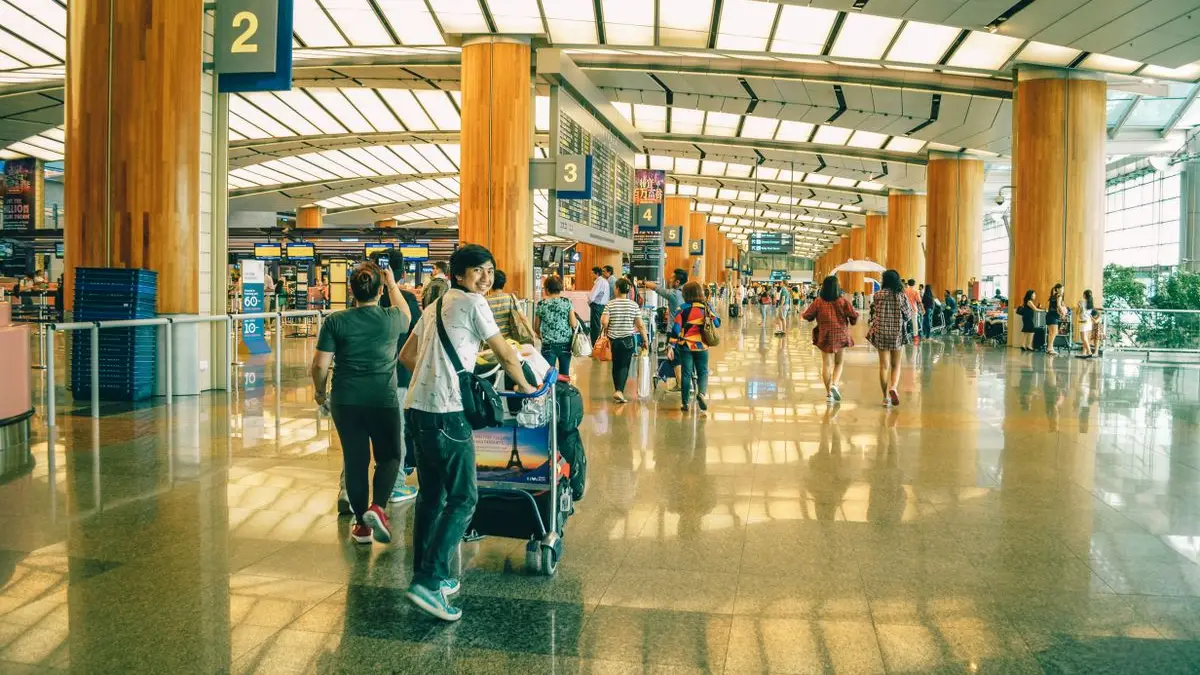
You have just landed at Charles-de-Gaulle and your room is waiting a stone’s throw from the Opéra Garnier. Between the RER B, the direct Roissybus and a taxi, several routes lead to the heart of the Grands Boulevards, each with its own merits depending on your budget, your luggage and the time you arrive. Here is how to choose without fuss and reach the 9th arrondissement feeling rested.
The RER B: fastest when the roads are jammed
The RER B train links Charles-de-Gaulle airport to central Paris, cutting through the northern suburbs. From the terminals, follow the signs marked Paris by train; a free CDGVAL shuttle serves the station depending on which terminal you are in. The train then runs to Gare du Nord, which you usually reach in around thirty minutes when all goes to plan. It is the most reliable option whenever the roads are gridlocked.
At Gare du Nord, a single connection brings you close to the Opéra. The simplest way is the métro: line 9 serves Chaussée d’Antin – La Fayette, right at the foot of the Galeries Lafayette, while other lines fan out towards Havre-Caumartin or Opéra depending on your exact address. Door to door, allow roughly 50 minutes once the connections are made.
A word of warning: the RER B has stairs and long corridors, and its carriages can be packed at rush hour. If you are travelling light, nothing beats it for speed and cost. With large suitcases or small children, weigh up the comfort of a more direct option, even if it costs a little more.
The Roissybus: direct to Opéra with no changes
For anyone keen to avoid connections, the Roissybus runs directly between the airport and the Place de l’Opéra. The coach drops passengers on the Rue Scribe, beside the Opéra Garnier, right in the heart of the district. No stairs to wrestle with luggage, no platform changes: you board at Roissy and step off a stone’s throw from the great department stores.
The journey averages about an hour, though it depends heavily on traffic. Off-peak it glides along; in the late afternoon or on a busy day, build in some leeway. Departures are frequent and the wait is rarely long. It is an ideal choice for a first arrival in Paris, when you would rather stay seated and watch the city roll past than hunt for your way through the métro tunnels.
The Roissybus particularly suits laden travellers and families, combining simplicity with an arrival right in the Opéra area. Once on the Rue Scribe, most addresses in the 9th are only a few minutes away on foot, suitcase in hand.
Taxi or private hire: door-to-door comfort
The taxi remains the most comfortable option, especially after a long flight or a late-night landing. At Roissy, official ranks are clearly signposted outside each terminal; it is wiser to use them than to accept offers touted inside the airport. The driver takes you straight to your address, luggage and all, with no intermediate handling.
Allow around 50 minutes of driving towards the Opéra district, though the time varies with the traffic, which can be heavy on the A1 motorway and the ring road at peak hours. Fares run on the meter or, for private-hire cars, are shown up front in the app: check the price in real time, as it shifts with the season and demand.
For a family or a group sharing the ride, a taxi soon becomes competitive against the sum of individual tickets. It is also the reassuring choice when you arrive late and weary, with a single wish: to drop your bags in your room as quickly as possible.
Getting your luggage and arrival right
Whichever mode you choose, plan ahead for luggage. On the RER as in the métro, stairs and ticket barriers do not sit well with bulky cases; if that is your load, favour the Roissybus or a taxi. Always keep a valid ticket within easy reach, along with a little water for the journey.
Note your accommodation’s exact address and the nearest métro stop before you set off. The Opéra district is served by lines 3, 7, 8 and 9, a dense web that makes the final stretch on foot straightforward. Jot down the handiest station for your street: Opéra, Chaussée d’Antin – La Fayette, Havre-Caumartin or Richelieu-Drouot.
Finally, leave yourself a comfortable margin, especially for a connecting flight or an appointment. The quoted times, around 50 minutes door to door, are only indicative and assume smooth traffic. Arriving a little early always beats sprinting, suitcase in hand, through the crowded corridors of a Parisian station.
Choosing to suit your kind of traveller
There is no one-size-fits-all route: the right choice depends on you. The traveller in a hurry and travelling light will save time on the RER B, unbeatable when the roads seize up. Anyone who dreads connections and carries a heavy load will value the Roissybus, direct to the Opéra. The taxi, meanwhile, wins for sheer comfort, late arrivals or groups splitting the fare.
The great virtue of the Opéra district is that all these options reach it, which makes it an ideal base for a first Paris stay. Once settled, you will be steps from the Boulevard Haussmann and the Galeries Lafayette, crowned since 1912 by their famous stained-glass dome, as well as the Grands Boulevards and their covered passages.
So take a moment before you leave to weigh your priorities: speed, budget, peace of mind or comfort. Every one of these options leads to the same happy ending, beneath Charles Garnier’s golden dome, ready to begin exploring Paris on the right foot.