How to Stay Central near the Opéra Without Breaking the Bank
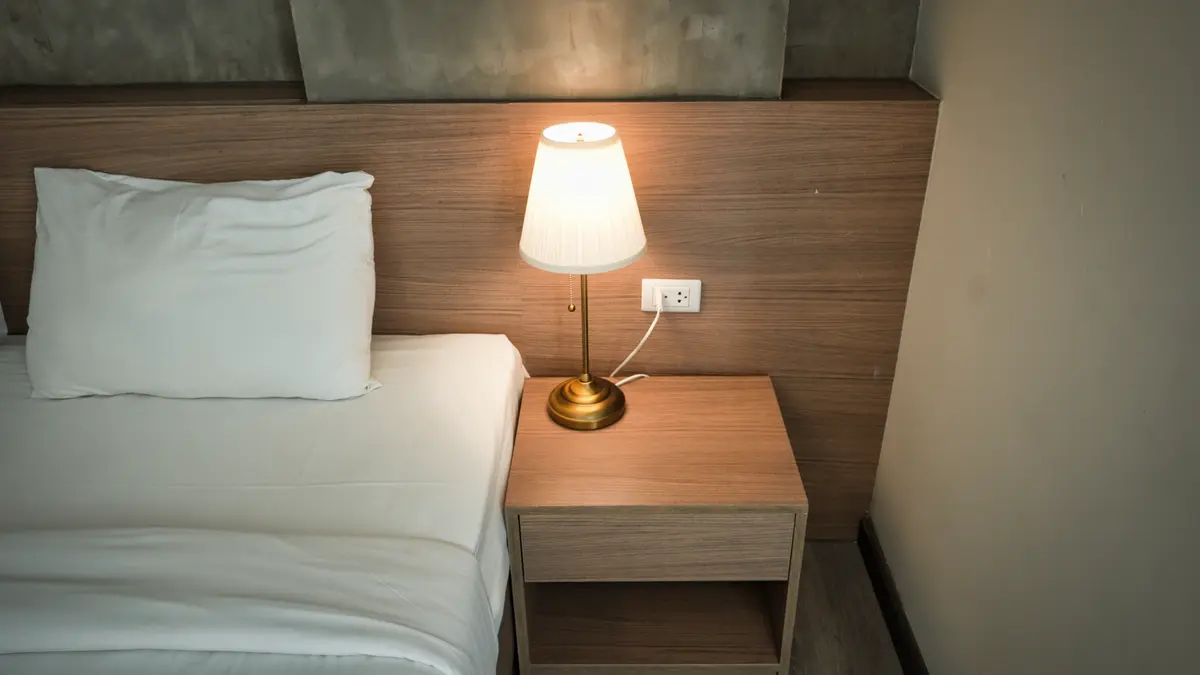
Sleeping in the heart of Paris without wrecking your budget is not a myth. Around the Opéra Garnier, the trick comes down to three levers: when you book, which street you pick and knowing how to avoid the busiest dates. Here is an independent guide’s method for staying central, staying close to the métro, and paying a fair seasonal price.
Why the Opéra district is a smart choice
The Opéra district, centred on the 9th arrondissement, ticks every box for the traveller keen to make the most of a short stay. You are only minutes on foot from the Opéra Garnier, designed by Charles Garnier and crowned by the famous ceiling painted by Marc Chagall in 1964, from the Galeries Lafayette on Boulevard Haussmann with its stained-glass dome unveiled in 1912, and from the theatres of the Grands Boulevards.
The decisive advantage is the métro network. Lines 3, 7 and 8 meet at the Opéra station, while lines 8 and 9 run east and west, and the Saint-Lazare and Gare du Nord stations are a short hop away. A single change takes you to the Louvre, Montmartre, the Eiffel Tower or an airport. Staying central here saves both time and travel fares, which often offsets a slightly higher room rate compared with the outskirts.
Contrary to a common assumption, central does not always mean expensive. The area blends prime addresses along the boulevards with quieter, far cheaper streets just around the corner, where anyone willing to look will find excellent value for location and budget.
When to book for a fair price
Paris hotel rates are calculated in real time, driven by demand: there is no fixed price, only a curve that rises and falls with the season, the day of the week and the events taking place. The first rule, then, is to compare the same hotel across several dates before you commit.
As a general guide, booking two to three months ahead for a high-season stay lets you catch the best windows before availability tightens. Conversely, for a short break outside busy periods, a later booking can spring pleasant surprises as hotels adjust prices to fill their last rooms. Midweek, from Sunday night to Thursday, is almost always gentler than the Friday and Saturday so prized by city-break crowds.
One habit that pays off is shifting your stay by a few days. Moving from a weekend to the start of the week, or steering clear of a bank-holiday long weekend, can transform the bill for identical comfort. Stay flexible on dates: it is the single most powerful budget lever, well ahead of the choice of hotel itself.
Which streets and areas to target
The logic is simple: the further you step back from the shop windows of the grand boulevards, the more prices ease, without losing your central footing. The small streets between the Opéra and Saint-Lazare station, around the Trinité church or towards Notre-Dame-de-Lorette, strike a fine balance: a lively neighbourhood, good food shops, and the métro within easy reach.
A little further north, climbing towards the foot of the Montmartre hill and the Martyrs quarter, prices soften further while you remain a handful of stops from the centre. Eastwards, the area of the covered passages and the Musée Grévin, along the Grands Boulevards, also hides well-placed addresses that are often more reasonable than the most prestigious frontage of Boulevard Haussmann.
An insider tip: favour the side streets running off the main arteries rather than the avenues themselves. You will find quieter nights, away from the traffic, while enjoying the same access. Always check the nearest métro station: in Paris, five minutes more or less on foot weigh heavily on the comfort of a stay.
Avoiding the peaks: Fashion Week, trade fairs and holidays
Certain dates send demand soaring across the whole of Paris, and the Opéra district is no exception. The spring and autumn Fashion Weeks draw an international crowd and tighten the entire market. Major trade fairs at the exhibition centres, the festive weekends around the dressed windows of the department stores, and some of the May long weekends rank among the periods when prices climb sharply.
Before locking in your dates, get into the habit of checking the city’s events calendar. A quick glance at the big happenings will stop you from unknowingly landing on the priciest week of the quarter. If your trip is not tied to a specific occasion, aiming for the lulls between these high points is the surest way to stay central for far less.
Conversely, some traditionally quiet stretches, such as part of the winter outside the holidays or the heart of summer when many Parisians are away, open up handsome pricing windows. The district stays lively and practical all year round, but your wallet will certainly feel the difference.
A guide’s budget tips
Beyond the date and the address, a few habits lighten the bill. Always compare on equal category and location rather than on the headline price alone: a slightly dearer but better-placed room can save you journeys and time. Read carefully what is included, because breakfast taken outside, in a café along the Grands Boulevards, often costs less and is part of the Parisian pleasure.
Think too about room size and floor level: the most modest rooms, over the courtyard or under the eaves, carry gentler rates while offering quiet. If you are travelling as a group, a family or triple room frequently works out cheaper than two separate rooms. Finally, a stay of several nights can sometimes unlock better terms than piecemeal bookings.
One last principle, valid in every season: prices are checked in real time and keep moving right up to the last moment. Keep an eye on how they evolve, stay flexible, and remember that the best deal is not the cheapest room in Paris, but the decent room best placed for your plans, at the fairest price of the moment.